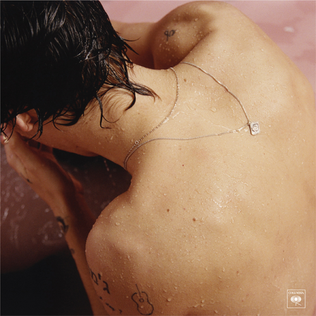
Is Harry Styles Finally Sounding Like Himself? An In-Depth 'Kiss All The Time' Analysis
Few artists command the global spotlight quite like Harry Styles. From his early days as a boy band phenomenon to his current reign as a solo pop icon, every album release is met with immense anticipation, speculation, and, inevitably, a flurry of critical discussion. His highly anticipated fourth studio album, Kiss All The Time. Disco, Occasionally, is no exception. Landing four years after his previous record, this latest offering has sparked a fascinating debate: has Styles finally shed all remaining expectations to truly sound like himself, or is this just another masterclass in meticulously curated pop? Let's dive into the critical landscape surrounding this pivotal Harry Styles album review.
Navigating the Critical Crossroads: A Spectrum of Opinion
Ahead of its official release, Kiss All The Time. Disco, Occasionally has already carved out a deeply polarized critical reception. This isn't just a matter of good or bad; it's a profound disagreement on the album's fundamental character and artistic merit, offering a compelling snapshot of how diverse critical lenses can interpret the same work.
- The Telegraph's Measured Disappointment: Awarding the album a three out of five stars, The Telegraph's assessment was notably unenthusiastic. Describing it as having "all the emotional heft of a perfume advert," the review characterized the record as "strange, shallow and soon to be inescapable." This perspective suggests a surface-level engagement that, despite its potential ubiquity, lacks genuine emotional resonance or depth.
- The Guardian's Gentle Critique: Echoing a similar three-star rating, The Guardian found the listening experience "nice all the time, good, occasionally." While acknowledging the music as "muted, subtle and pleasant," their review pointed out a significant lyrical shortcoming: "from the title downwards, he has a real problem with words." This highlights a potential disconnect between the album's sonic ambition and its verbal articulation.
- The BBC's Enthusiastic Embracing of Existential Pop: In stark contrast, the BBC offered a much more vibrant and positive assessment. Hailing the album as "the funkiest existential crisis in pop," the review drew compelling comparisons to artists known for their innovative, post-punk, and electronic sounds, such as LCD Soundsystem, Tom Tom Club, and Gang Of Four. The BBC praised Styles for occupying "an interesting space for a stadium-conquering pop star," commending his bravery to "dwell in limbo for the duration of an entire record," viewing it as a "compellingly knotty" portrait of an artist at a crossroads.
- Metro's Unabashed Celebration: Taking the enthusiasm even further, Metro granted the album a full five out of five stars. Proclaiming "Brat summer's reign is finally over, it's time for Kissco spring," the publication praised the intentionality of each of the 12 tracks. It noted that even slower songs maintained consistency in quality and highlighted the palpable joy radiating from the album, seemingly a result of Styles' time away from the studio, traveling and "simply living his life."
- The Independent's Affirmation of Authenticity: Roisin O’Connor of The Independent awarded Kiss All The Time. Disco, Occasionally a strong four out of five stars, championing the album as "personal, bold and finally sounding like himself." O'Connor's review emphasized Styles' unique position in the pop landscape, suggesting he has "no true male peer" in terms of "pizzazz" and impact, despite the efforts of newer artists. The core of her argument revolved around Styles' intentional step back, allowing "fears of getting left behind to cease," enabling him to return with "newfound clarity and, more importantly, music that actually sounds like him."
The vast differences in these critical perspectives underscore the album's complex nature. Is it a shallow commercial product, or a brave artistic statement? The answer, it seems, lies entirely in the ear of the beholder. This diversity of opinion makes a comprehensive Harry Styles album review all the more crucial.
The Evolution of Sound: From Boy Band Banger to 'Aperture''s Enigma
Harry Styles' musical journey has been one of continuous, albeit subtle, evolution. While often lauded for his fashion-forward style and magnetic stage presence, his musical shifts have been more incremental than revolutionary—until now, perhaps. The biggest "risk" in his career, as some argue, was the indefinite hiatus of One Direction in 2016, paving the way for his solo career. Since then, he has released three critically acclaimed albums, each a significant "event" in its own right.
His solo discography has seen Styles explore different sonic textures: Fine Line leaned into a 1970s soft rock aesthetic, while Harry's House embraced an 80s pop sensibility. Through these shifts, a core expectation remained: Harry Styles would reliably deliver impeccably produced pop anthems, designed for mass appeal with minimal backlash. He was a master of the "perfectly pleasing pop banger."
However, the release of "Aperture," the lead single from Kiss All The Time. Disco, Occasionally, signaled a potential departure. The track was notably "moody, considerably more electronic-leaning, and decidedly different to anything we’ve heard from Styles thus far." While some fans at listening parties hastily described it as "techno," a term that perhaps oversimplifies its nuances given the current electronic music landscape, it undeniably showcased a new facet of his sound. "Aperture" introduced a darker, more introspective electronic texture, hinting at a broader sonic palette for the album. This move suggests Styles might be intentionally challenging his established sound, potentially embracing an experimental edge that previous records only hinted at. For fans and critics alike, this shift demands a fresh perspective on any new Harry Styles album review.
Unpacking "Sounding Like Himself": Authenticity in Pop
The Independent's declaration that Styles is "finally sounding like himself" on Kiss All The Time. Disco, Occasionally is perhaps the most intriguing, and most debated, takeaway from the album's early reception. But what does it truly mean for a global superstar, meticulously crafted and adored by millions, to "sound like himself"?
Roisin O'Connor's review attributes this newfound authenticity to Styles' deliberate step back from the relentless cycle of releases and tours. This "time away," she suggests, allowed him to simply "liv[e] his life," shedding the pressures of expectation and returning with "newfound clarity." The result, she argues, is music that feels genuinely personal and bold—a letting "the light in" that truly shows. This resonates with Metro's observation of joy radiating from the album, a joy born from personal experience rather than manufactured pop necessity.
This perspective also ties into the BBC's notion of an "artist at a crossroads," brave enough to "dwell in limbo." For an artist of Styles' magnitude, taking a break is a significant gamble, particularly in an industry that constantly demands new content. Yet, this pause may have been instrumental in allowing him to reconnect with his artistic core, free from the immediate need to replicate past successes. The idea that he has "no true male peer" and a unique "pizzazz" further emphasizes his singular position, allowing him the space to define his own lane rather than follow existing ones, unlike, say, Benson Boone who might try to emulate a similar path. While artists like Bad Bunny, Sam Fender, and The Weeknd excel in their own distinct lanes, O'Connor argues none quite match Styles' particular brand of charisma and mainstream impact.
Authenticity in pop is a complex and often elusive concept. Is it about raw, unfiltered emotion, irrespective of production? Is it about genre-bending freedom? Or is it simply about the artist's conviction in their own work? For Harry Styles, it seems to be a combination of all these elements, filtered through the lens of personal growth and creative courage. The album, then, becomes not just a collection of songs, but a sonic diary of his journey to self-discovery within the glaring spotlight of pop superstardom. For any artist, understanding that "authenticity" can be perceived differently by various audiences is crucial; it's often about conviction and self-assuredness, not just a specific sound. This dynamic is perfectly encapsulated in the contrasting critical voices for his latest work. To dive deeper into the varied perspectives, you might find valuable insights in From 'Perfume Advert' to 'Kissco Spring': Harry Styles' Album Critiques.
Conclusion: The Enduring Appeal and Evolving Narrative of Harry Styles
Kiss All The Time. Disco, Occasionally marks a fascinating chapter in the Harry Styles narrative. It's an album that has elicited everything from accusations of shallowness to praise for existential bravery, underscoring the complexities of artistic evolution under a microscope. While critics like The Telegraph may find its emotional weight lacking, others, like Metro and The Independent, celebrate its personal joy and bold authenticity. The sonic shift, hinted at by the electronic leanings of "Aperture," demonstrates a willingness to subtly challenge expectations, even if the overall impact remains divisive.
Ultimately, whether Harry Styles is "finally sounding like himself" is a question that each listener must answer. What is undeniable is that this album represents an artist actively exploring the boundaries of his sound and persona, leveraging a period of personal reflection to inform his creative output. In doing so, he ensures that the conversation around his music remains as vibrant and multifaceted as his career itself, solidifying his status as a compelling figure whose every Harry Styles album review continues to shape the discourse of contemporary pop.